You Never See the Sun Where It Actually Is — Only Where It Was 8 Minutes Ago
Light takes time to travel, so every glance into space is a glance into the past. The night sky shows stars as they were years, even millennia, ago.
Today’s hidden fact · Sunday, August 9, 2026
Voyager 1 is over 24 billion km away, so far its radio signal takes 22+ hours to arrive, sent by a transmitter weaker than a refrigerator bulb.
A football-field-sized lab, falling around Earth at 8 km every second.
Crew-12 Dragon Jessica Meir · Jack Hathaway · Sophie Adenot · Andrey Fedyaev
Shenzhou 23 Zhu Yangzhu · Zhang Zhiyuan · Lai Ka-ying
Soyuz MS-29 Pyotr Dubrov · Anna Kikina · Anil Menon
2010 JA
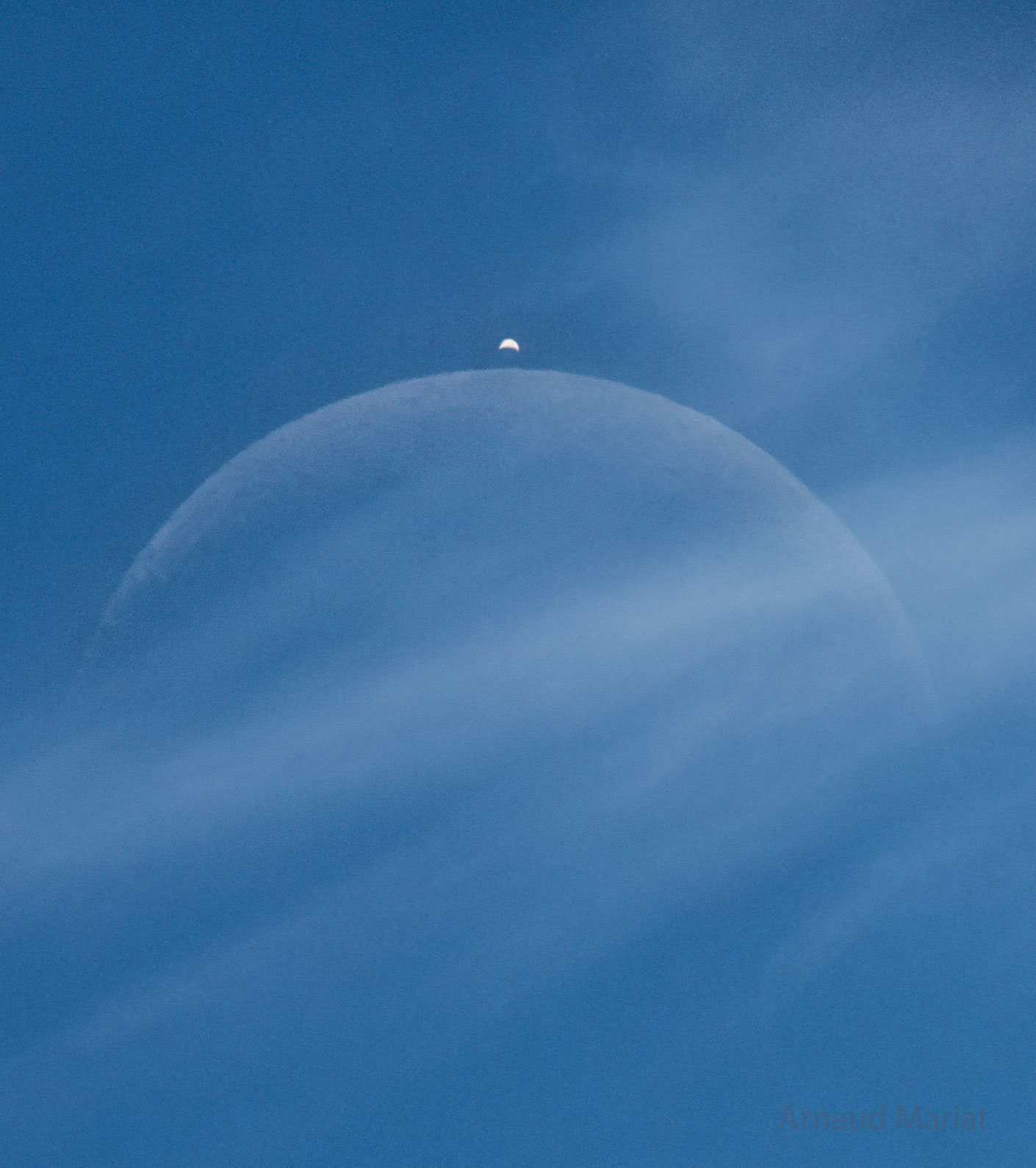
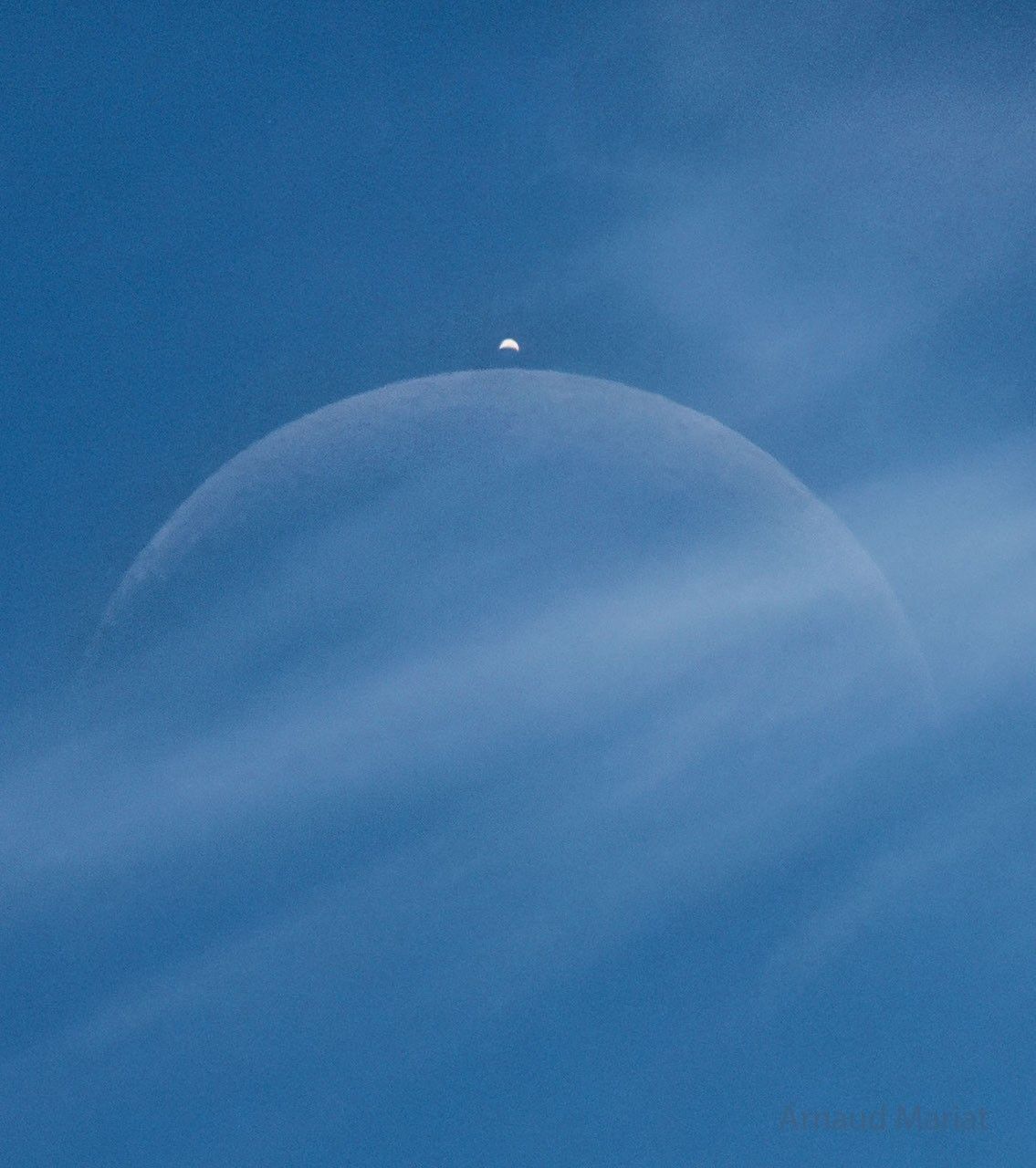
A Daytime Eclipse: Moon Occults Venus
There was something behind the clouds. Upon close inspection, it was the Moon, which was hard to see yesterday around noon above the small village of Cessy, France. But soon, it was not only the Moon. As expected, a bright dot suddenly appeared from behind t…
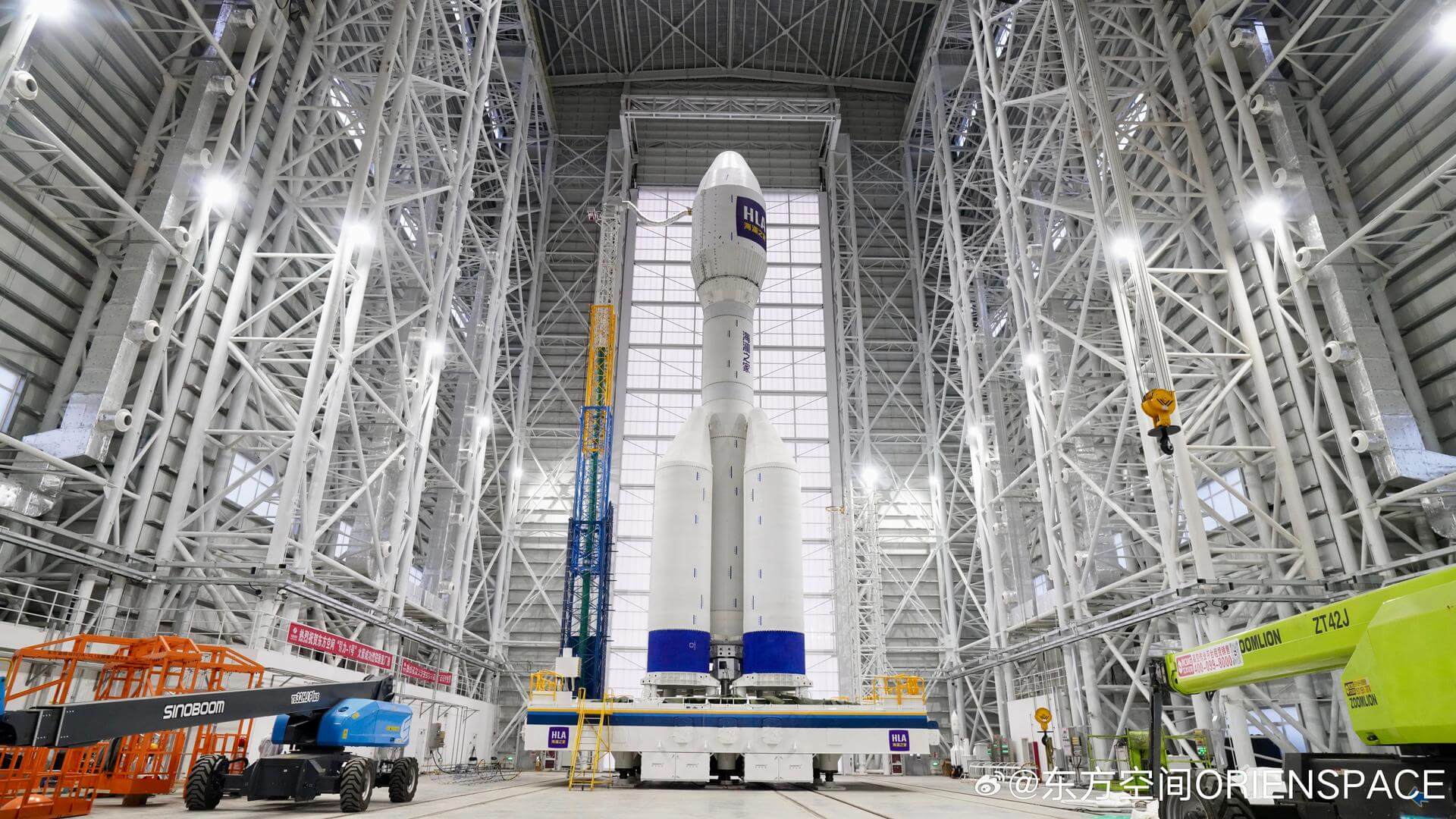
Gravity-1 | Unknown Payload
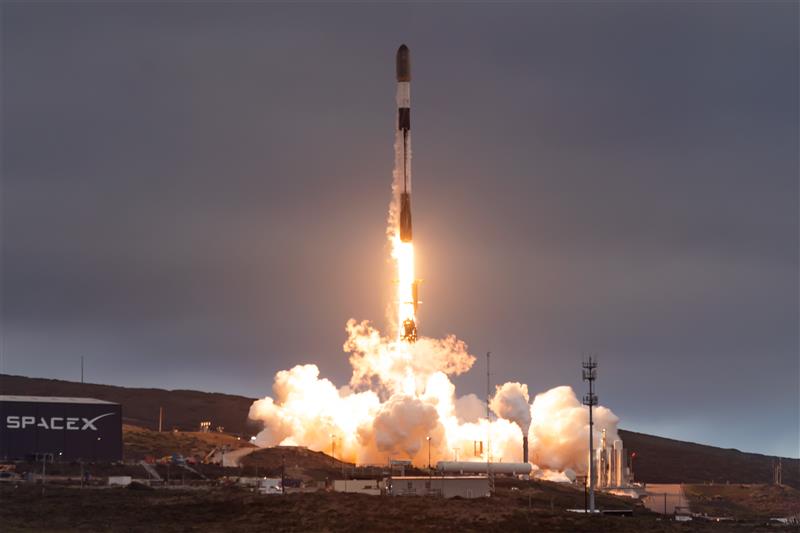
Falcon 9 Block 5 | USSF-259
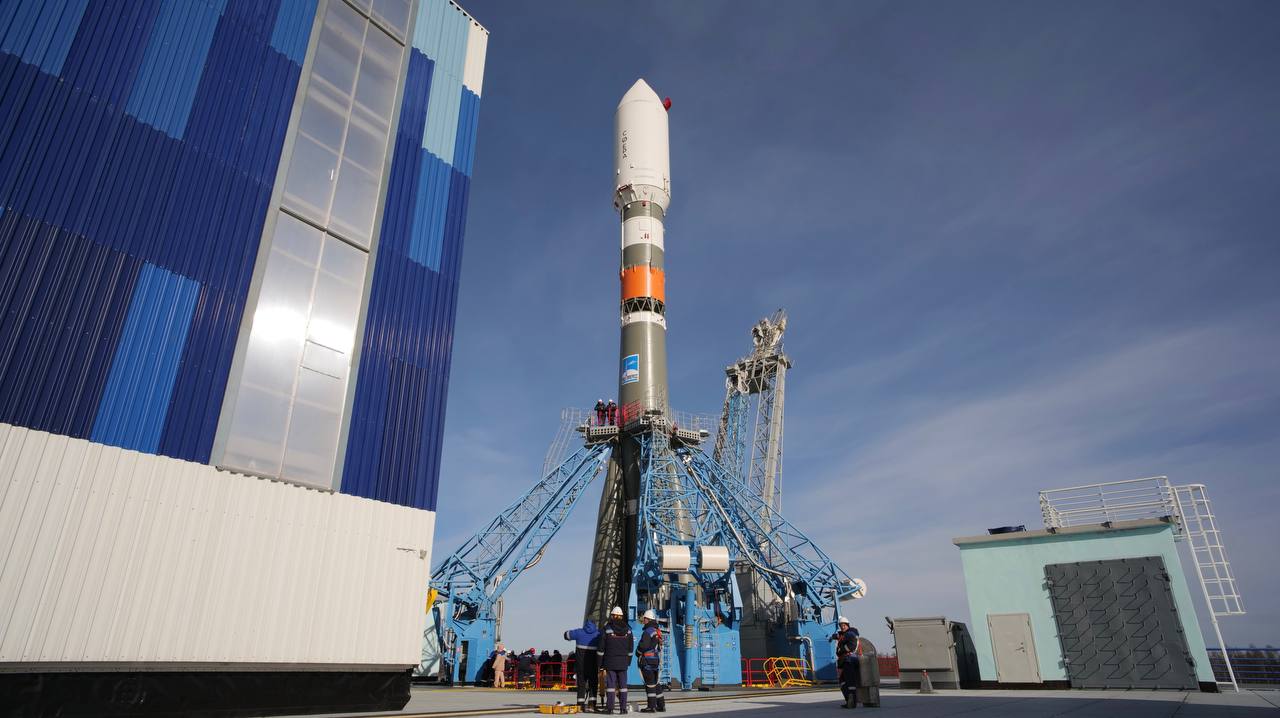
Soyuz 2.1b | Progress MS-35 (96P)
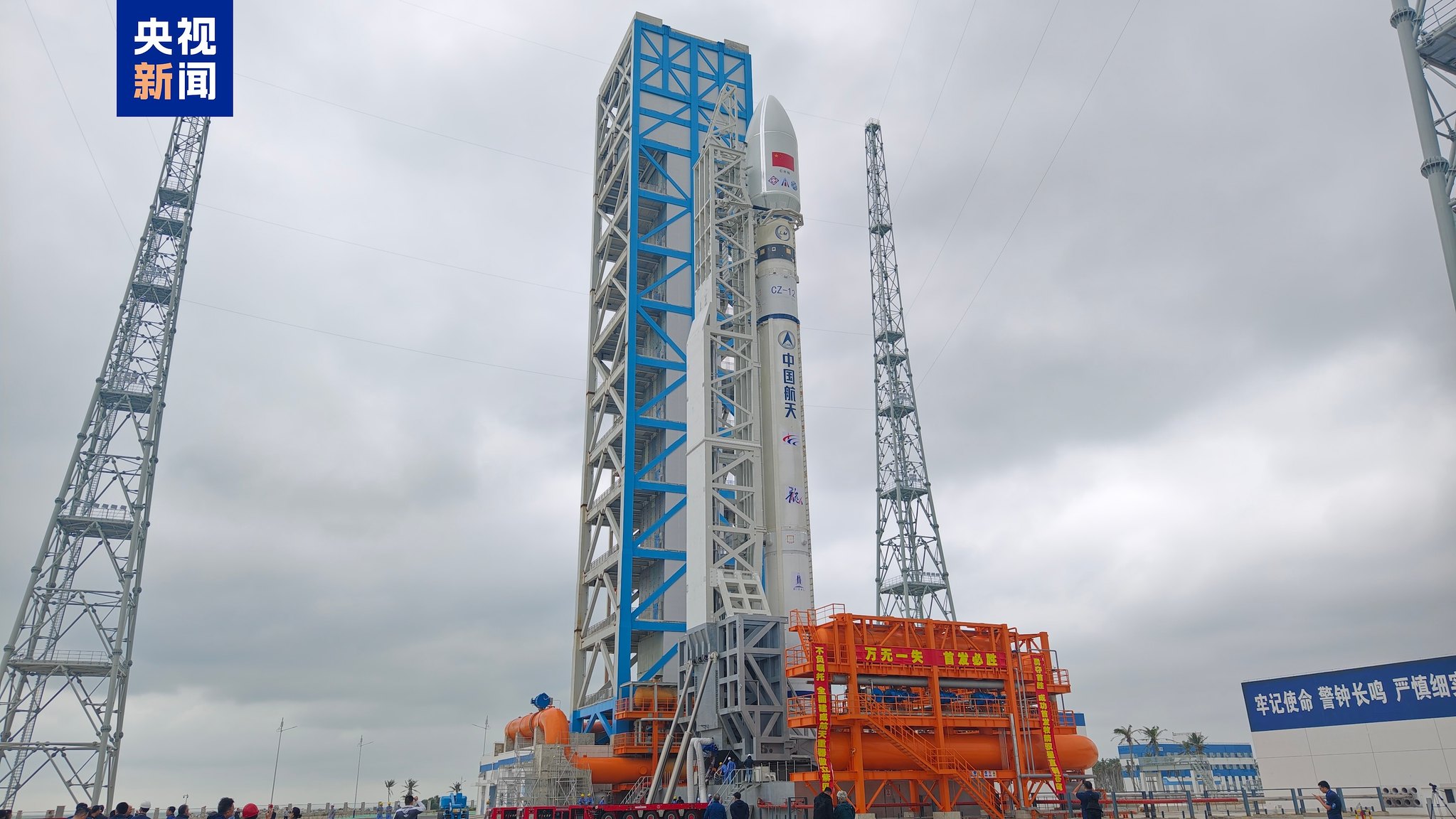
Long March 12 | Unknown Payload
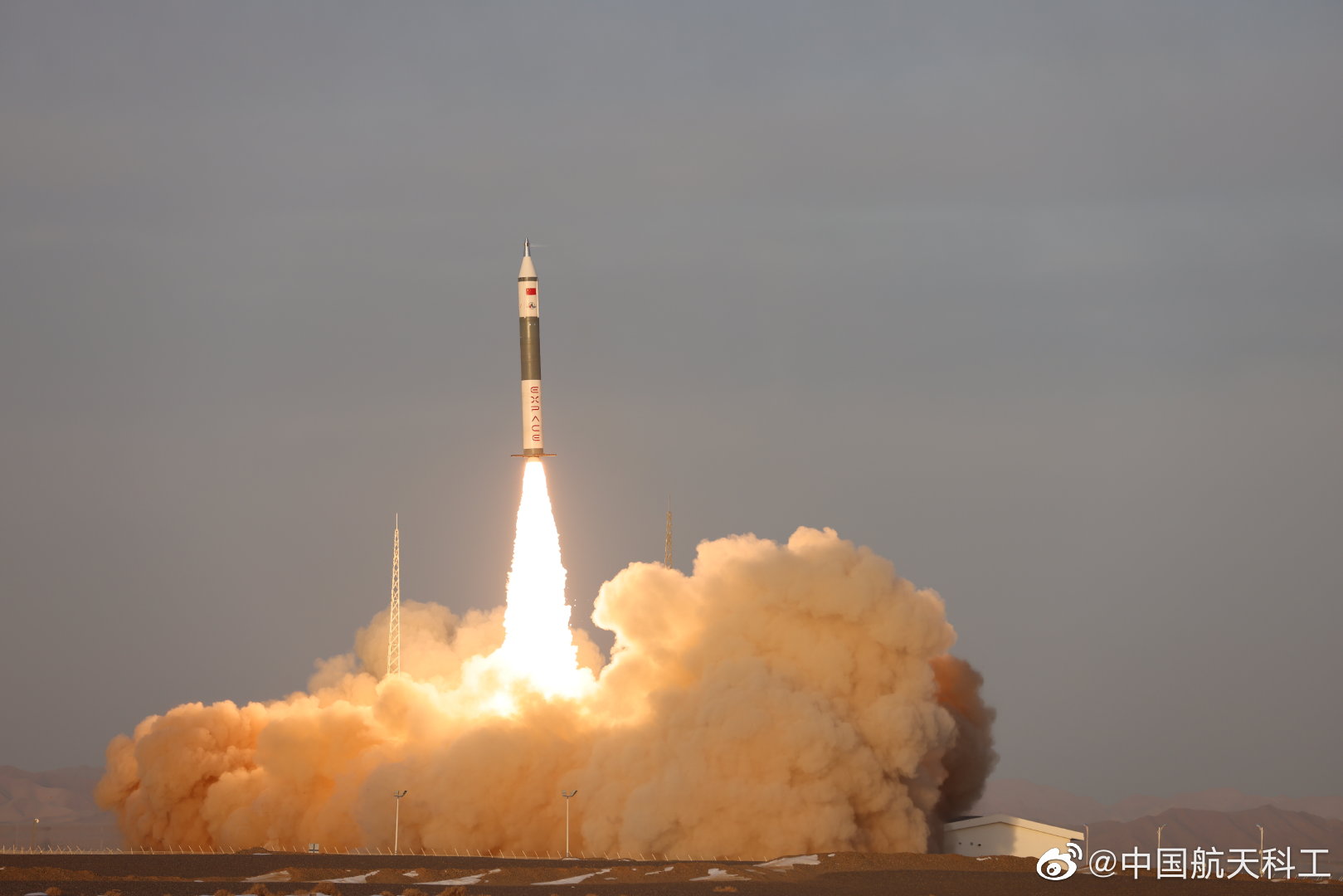
Kuaizhou 11 | Unknown Payload
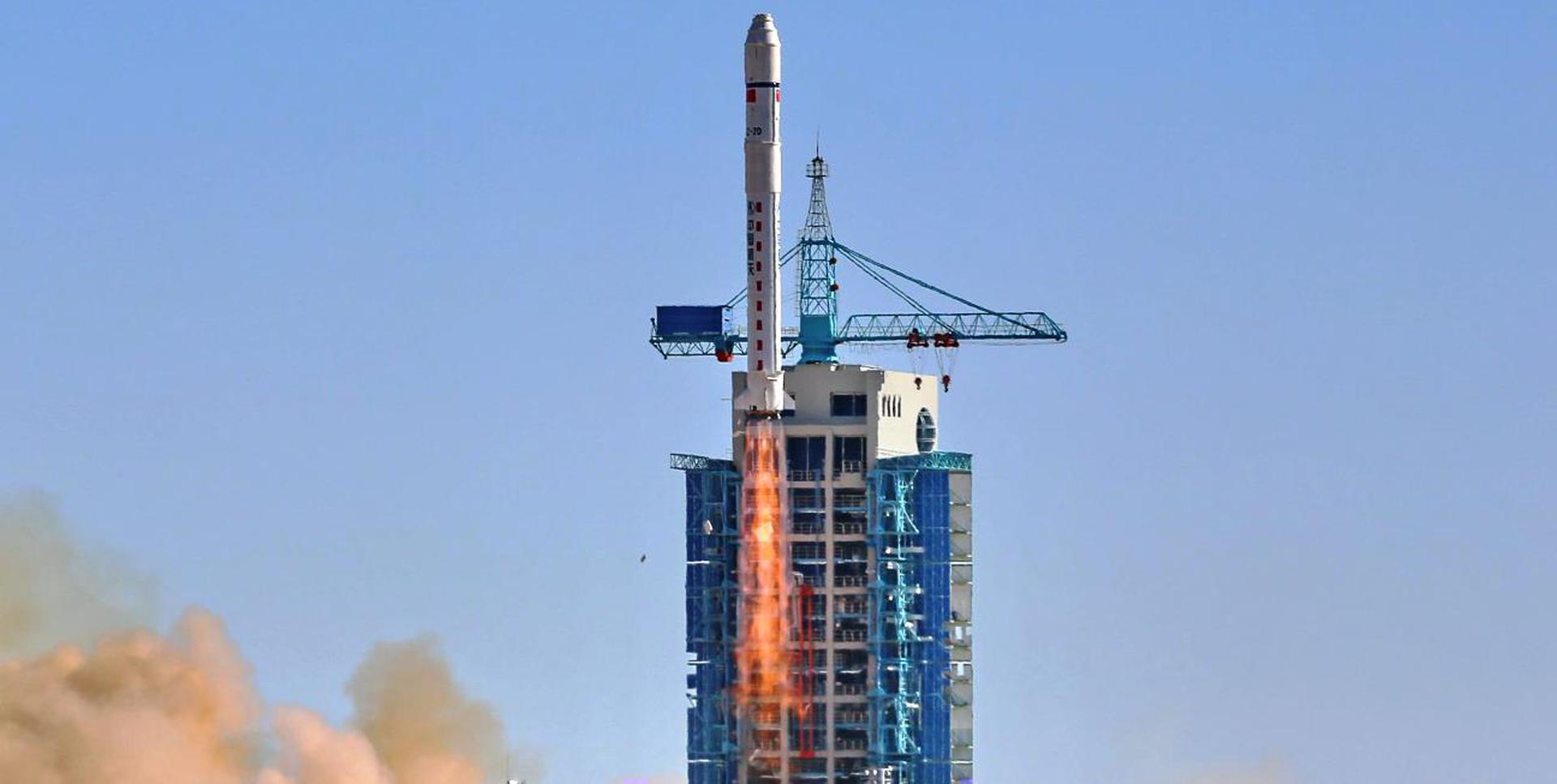
Long March 2D | Unknown Payload

Falcon 9 Block 5 | Starlink Group 15-27
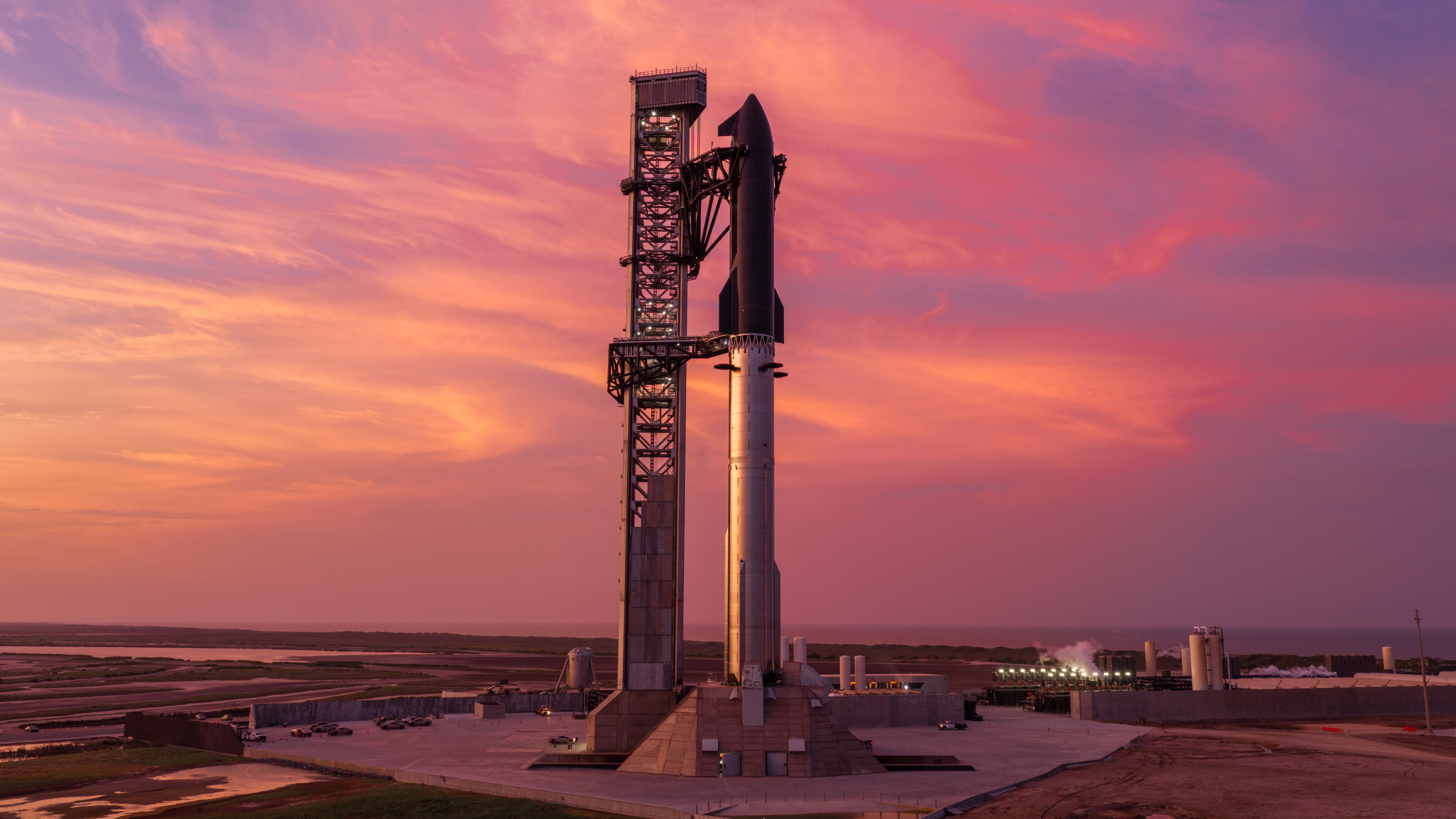
Starship | Flight 14
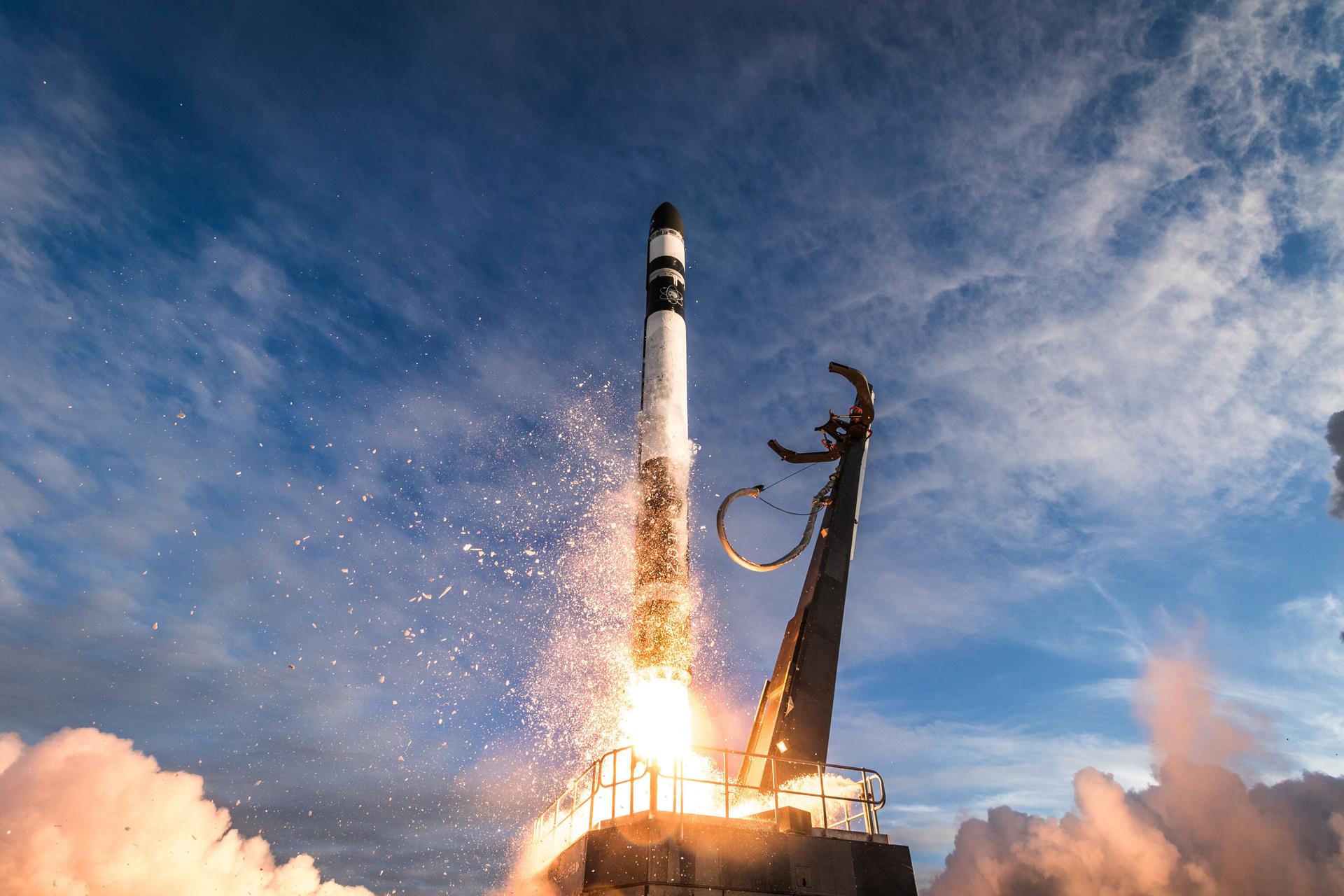
Electron | LOXSAT 1
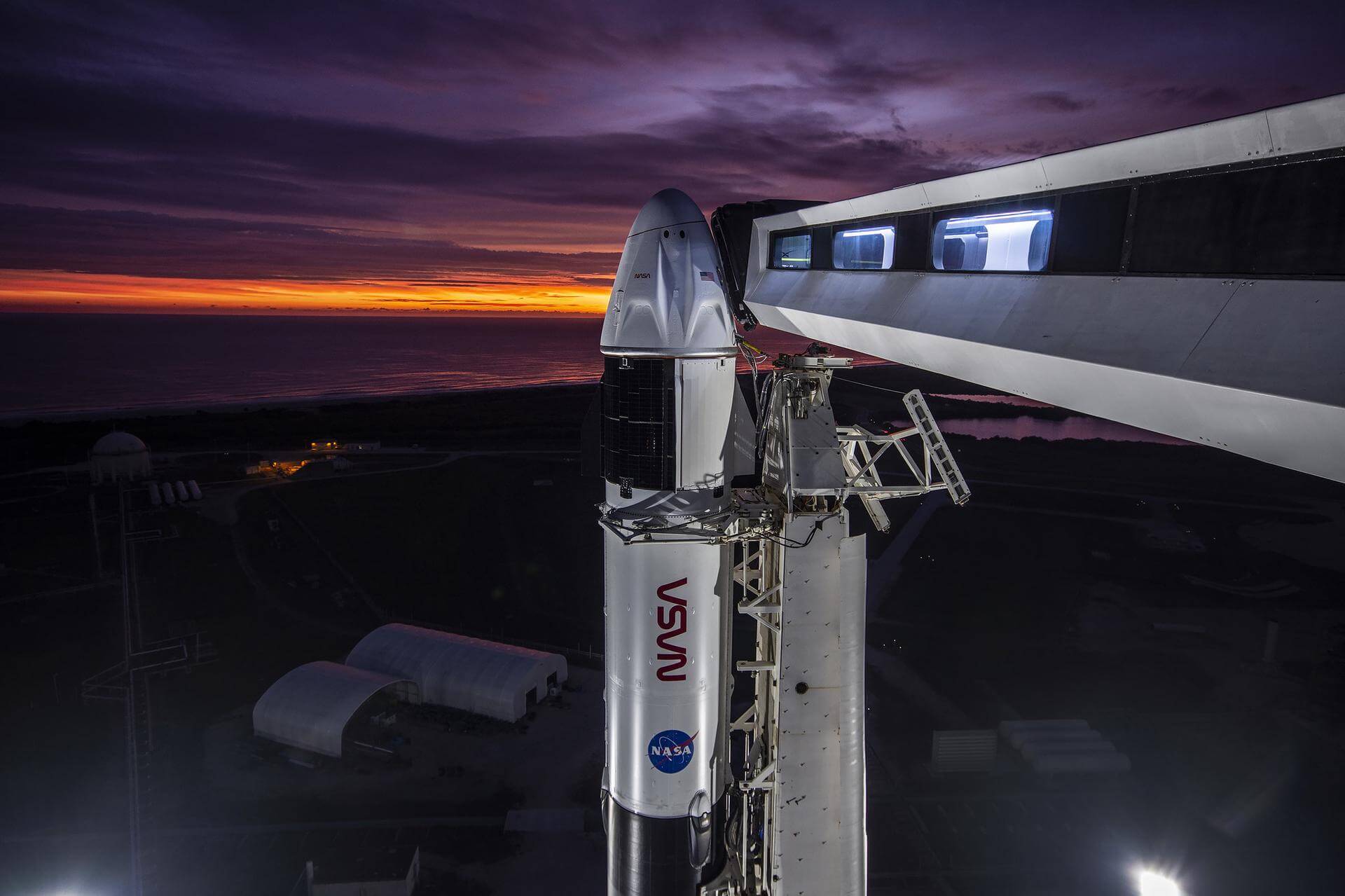
Falcon 9 Block 5 | Crew-13
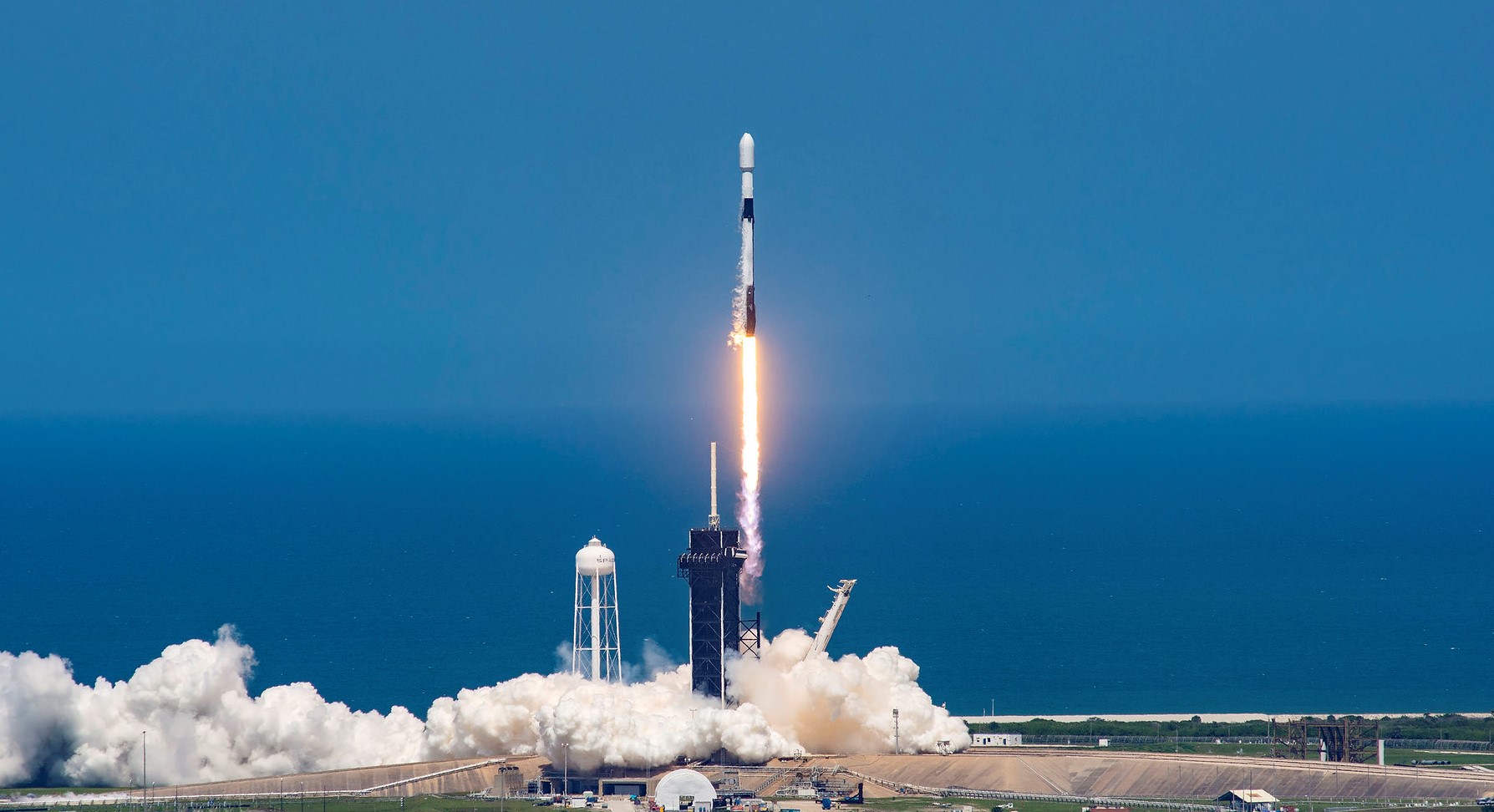
Falcon 9 Block 5 | SDA Tranche 1 Transport Layer A
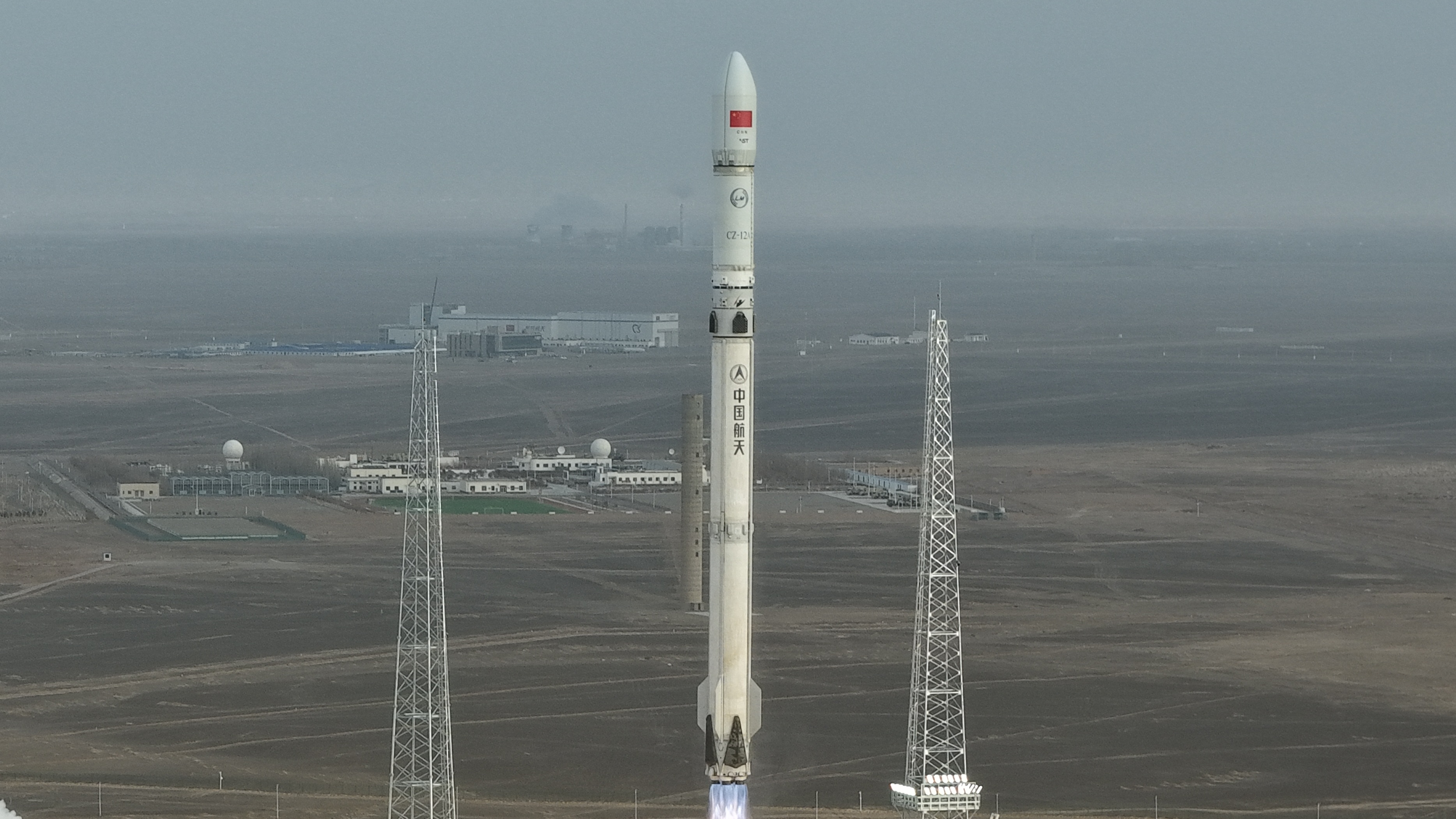
Long March 12A | Flight 2
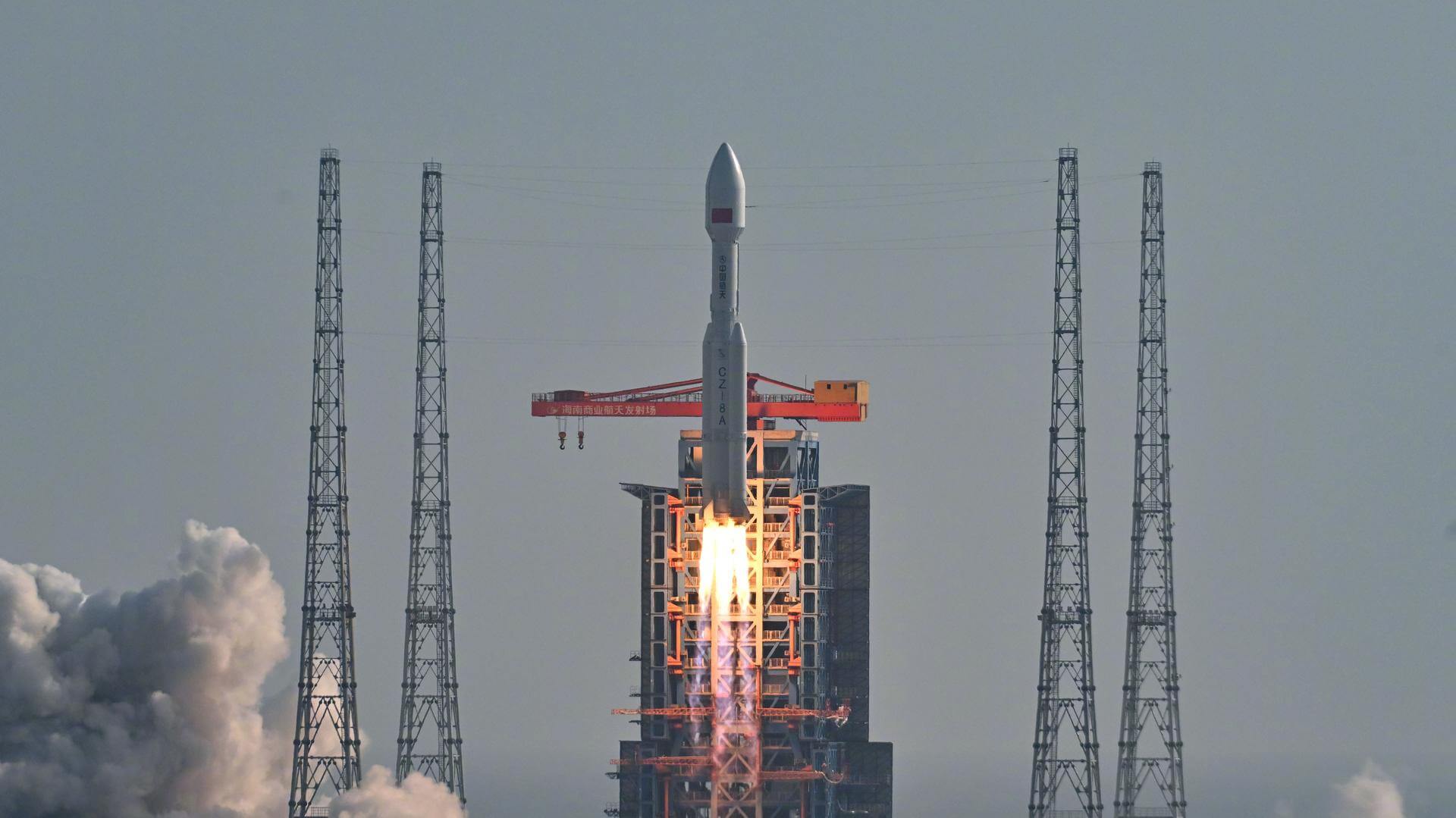
Long March 8A | Unknown Payload
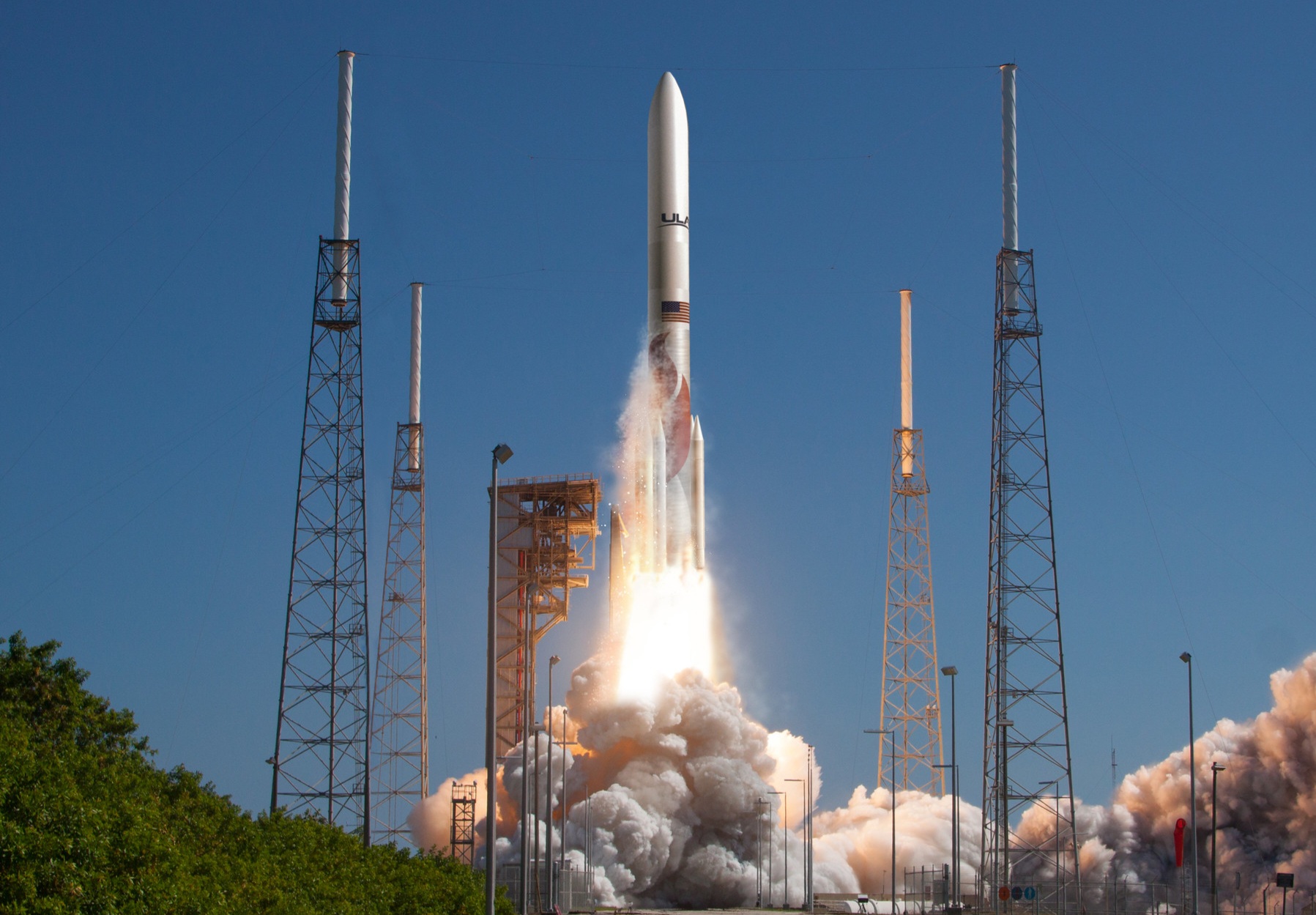
Vulcan VC6L | Amazon Leo (LV-01)
Electron | 6x HawkEye 360
2010 JA
2019 GM1
2007 QE3
2018 MC5
2019 SQ8
429584 2011 EU29watched by NASA
European Spaceflight · today
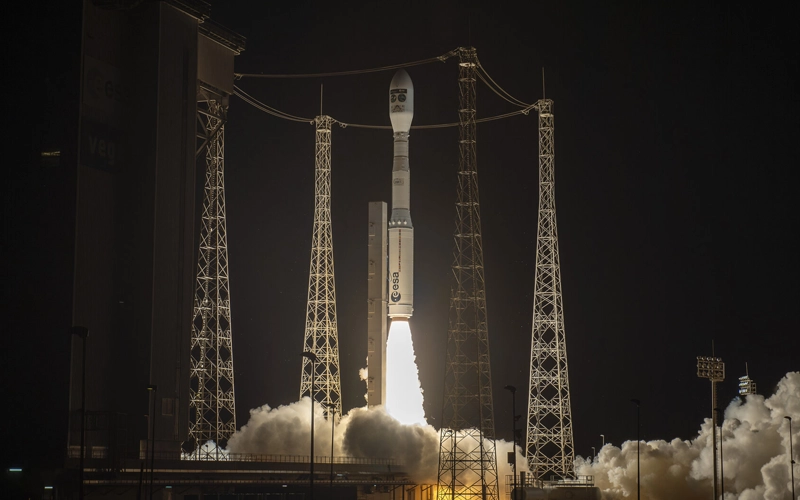
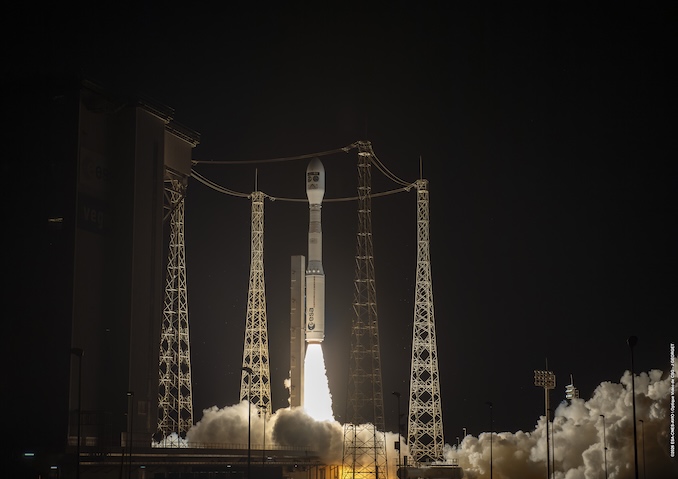
Avio Launches Second Successful Vega C Flight of 2026
Italian launch services provider Avio has successfully completed its second Vega-C flight of 2026, deploying the European Commission’s third Sentinel-3 Earth observation satellite …

ESA · today
FLEX and Sentinel-3C launch highlights

SpaceNews · today
Iceye’s global presence expands to address sovereign demand

ESA · today
Relive the launch of FLEX and Sentinel-3C
NASA · today
APOD: 2026 September 15 – A Daytime Eclipse: Moon Occults Venus
Spaceflight Now · today
Avio launches pair of climate monitoring European spacecraft to study plants, oceans and atmospheric changes

ESA · today
FLEX and Sentinel-3C launched
Scroll from your rooftop to the edge of the observable universe. Every stop is real.
Begin the voyage →The real solar system, computed from orbital mechanics. Scrub time and watch the maths.
Run the simulation →Five questions, one round a day, same for the whole planet. Build your streak.
Play today's round →Put Earth next to the Sun. Then next to a black hole. Watch your brain give up.
Compare anything →Black hole, light-year, quasar — every space term, explained like a human.
Learn the language →Light takes time to travel, so every glance into space is a glance into the past. The night sky shows stars as they were years, even millennia, ago.
In 2015 we caught two black holes colliding a billion light-years away, wobbling spacetime by less than the width of a proton. Einstein predicted it a century earlier.
The Carrington Event made auroras glow over the tropics and shocked telegraph operators. A repeat today could cripple power grids and satellites worldwide.